




This article was updated on January 29th, 2024
Is your older dog not eating as much as they used to? There are lots of reasons why your dog’s appetite might not be up to par. One reason may be the normal aging process. It is also possible that the decreased appetite is caused by health problems. In this article, our veterinarians Dr. De Klerk and Dr. Whittenburg explain when to worry & how to help your dog.
Answer these questions to find out why your senior dog is not eating:
You have two options: simply answer the quiz questions below to see personalized recommendations tailored to your dog’s particular situation, or continue scrolling to read our article:
Things to know about older dogs no longer eating well
1. Weight loss (in addition to appetite loss) is a concern
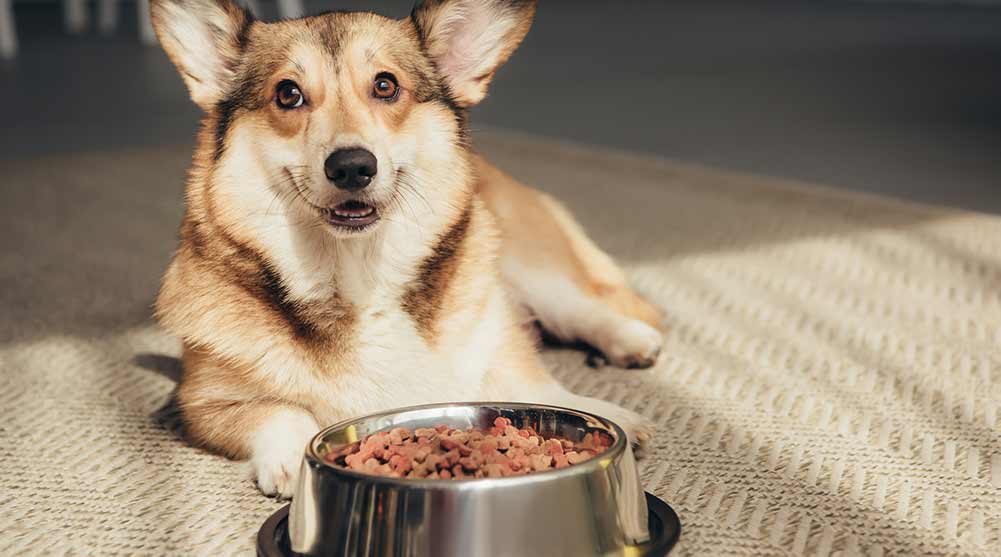
Dr. Whittenburg explains there is an important difference between just ‘eating less’ or ‘not eating’ occasionally, and ‘losing weight’ in addition to the appetite loss:
Vet Insight
“Your dog’s weight is as important as their appetite. A senior dog who isn’t eating as much as they used to but is maintaining his weight is less worrying than one who is losing weight. It’s also important to differentiate between an old dog who’s always been “picky” and gradually becomes more so, and one who’s previously always loved his food but now has very little appetite or doesn’t seem to care about it. The second scenario is much more worrying than the first.”

Weight loss in a senior dog can indicate that your dog is suffering from an illness, not just temporarily losing their appetite. If your dog has also lost weight in addition to their appetite loss, read our article “Senior Dog No Longer Eating – And Also Losing Weight or Showing Signs of Illness“.
2. Signs of gastrointestinal upset (vomiting or diarrhea) can help narrow down the list of possible causes
Your senior dog no longer eating is already a cause for concern but there are many conditions that can cause a loss in appetite. Knowing that your dog also vomited, or experienced diarrhea can help narrow down the list of potential causes.
If your dog has also experienced vomiting or diarrhea, we recommend reading one of these articles:
3. A senior dog suddenly refusing to eat at all should be seen by a veterinarian
There are a number of factors that can impact a dog’s appetite, as Dr. De Klerk explains:
Vet Insight
“Appetite is one of those things that can fluctuate on a fairly regular basis. Dogs eat less when they’re in pain, when they’re stressed or anxious, when it’s hot, when they’re not getting much exercise, and so on. Unfortunately, with arthritic joints, pain is a common condition that older dogs can experience. But if your senior dog isn’t eating on a regular basis, if they’ve lost interest in food, or if they are losing weight, then you need to figure out what’s going on.”

4. Senior dogs tend to eat less as they get older
Puppies eat more than adult dogs per pound of body weight, whereas senior dogs tend to eat less than younger adults due to a slower metabolism and activity level. Eating less, or more, from time to time doesn’t necessarily mean there’s a problem. Sometimes just being a senior citizen is enough to take the edge off your dog’s appetite.
Senior dogs typically don’t get nearly as much exercise as they used to because their body isn’t up to running, jumping, leaping, or chasing. A leisurely stroll down the street and back may seem like a marathon to them. Also, they’re sleeping more than they used to, and therefore burning fewer calories.
Lastly, as dogs age (humans too!), their metabolism naturally slows down. This means that it’s more difficult for your dog to use their food efficiently, or quickly.
5. The most common reasons causing senior dogs to stop eating include dental problems and other physical health issues
Here are the most common reasons that cause older dogs to eat less:
1. Dental Problems

When your older dog isn’t eating well, you may not think to look inside his mouth right off the bat.
But dental problems — such as broken teeth, gingivitis, cavities, or infections — can make eating very painful. Also, it’s not only the inside of the mouth that can cause a problem; arthritis of the jaw joint can make chewing a sore process.
Generally, this is a pretty straightforward fix, requiring just a trip to the veterinarian for tooth extractions, dental cleanings, and antibiotics. With treatment, the result can be nothing short of amazing for dogs.
Many owners worry about how their senior dog might react under anesthesia for a dental procedure. But the good news is that medicine has advanced so much over the past decade, that the anesthetic drugs used are generally very safe. If you want to take an extra precaution, ask your vet to perform a pre-anesthetic blood test to check your golden oldie’s internal health beforehand.
Until your senior dog’s teeth are treated by your vet, you could try softening their food by soaking it in warm water or chicken broth, so it is less painful to chew. You may also switch to canned food.
3. Physical Health Conditions
There are a lot of different senior dog health issues that can cause your older dog to eat less. Some of them are minor, whereas others can be serious, and may even become chronic.
The less serious ailments (although they are still ailments you should take your dog to the vet for) include a digestive system that’s just not as efficient as it used to be, food sensitivities, constipation, a poor sense of taste/smell which makes his food less appealing, depression, cognitive dysfunction, dental problems (see above) or anything which is causing them to feel nauseous.
If you’ve got an older dog who’s not eating, some more concerning possibilities include the following:
- Addison’s Disease
- Kidney Disease
- Heart Problems
- Cancer
- Liver Disease
Vet Insight
“When your dog is experiencing a more severe illness, it’s common to notice other symptoms accompanying the loss of appetite. Watch out for signs of weight loss, excessive thirst, behavior changes, lethargy, and GI issues such as diarrhea, vomiting and constipation, and any other signs of discomfort of illness.”
If your dog is not eating the way they used to and is showing ANY other signs of not feeling well, your best bet is to get them a full veterinary exam. While many of these ailments are not a cause to make a call to your vet in the middle of the night, it’s important not to take too long of a ‘wait and see’ approach with older dogs before going to the vet.
If your older dog isn’t showing any of these symptoms and they are acting normally but just seem to be less interested in their food than they used to be, there are some things you can do to encourage them to eat more. Let’s review tips to help your senior dog eat more.
5 Easy Tips to Help Senior Dogs Eat More
1. Make His Meals Taste and Smell Better
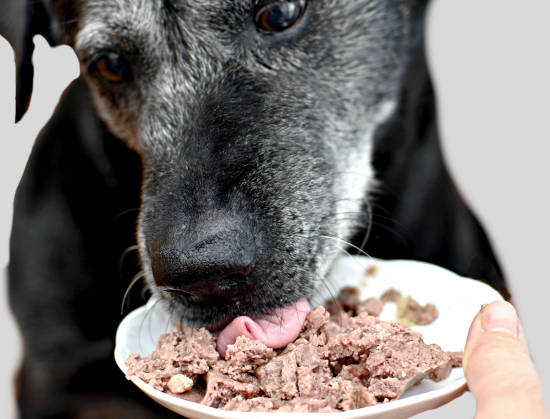
The senses of senior dogs are changing. If your dog is no longer into their food because it just doesn’t taste or smell as appealing as it used to, it’s only natural that your dog won’t be as excited about eating it. Try the following.
- Add a little gravy:

- 100% Complete and Balanced For Adult Dogs: Pedigree Wet Dog Food Choice Cuts In Gravy is 100% complete and balanced for adult dogs, providing the nutrients your dog needs

- Or clear (low-sodium) chicken broth:

- SUPPORTS JOINT HEALTH: Every serving of Brutus Bone Broth for dogs is infused with Glucosamine and Chondroitin to support healthy hips and joints in its dog sauce flavor for puppies and older dogs.
- Add warm water to low-fat peanut butter until it becomes liquid:

- ✔️ HEALTHY DOG TREAT - if you wouldn't eat its why would you feed it to your dog, aka your furry family member? That's why we made an all natural peanut butter for dogs that's fit for human consumption. It two simple ingredients peanuts and honey. Theres no high fructose corn syrup, stabilizers, xylitol, artificial sugar, or salts.
Your senior dog might also love a little extra canned (wet) dog food, low-fat cottage cheese, dried Parmesan cheese, egg whites, or yogurt added to their food.
We recommend that you always consult with a veterinarian before changing your dog’s diet. For example, you should be aware that some low-fat peanut butter contains xylitol (an artificial sweetener) which is very toxic to dogs. Make sure to read the label of any product you buy first. Or even better, buy dog-specific peanut butter:
- ✔️ HEALTHY DOG TREAT - if you wouldn't eat its why would you feed it to your dog, aka your furry family member? That's why we made an all natural peanut butter for dogs that's fit for human consumption. It two simple ingredients peanuts and honey. Theres no high fructose corn syrup, stabilizers, xylitol, artificial sugar, or salts.
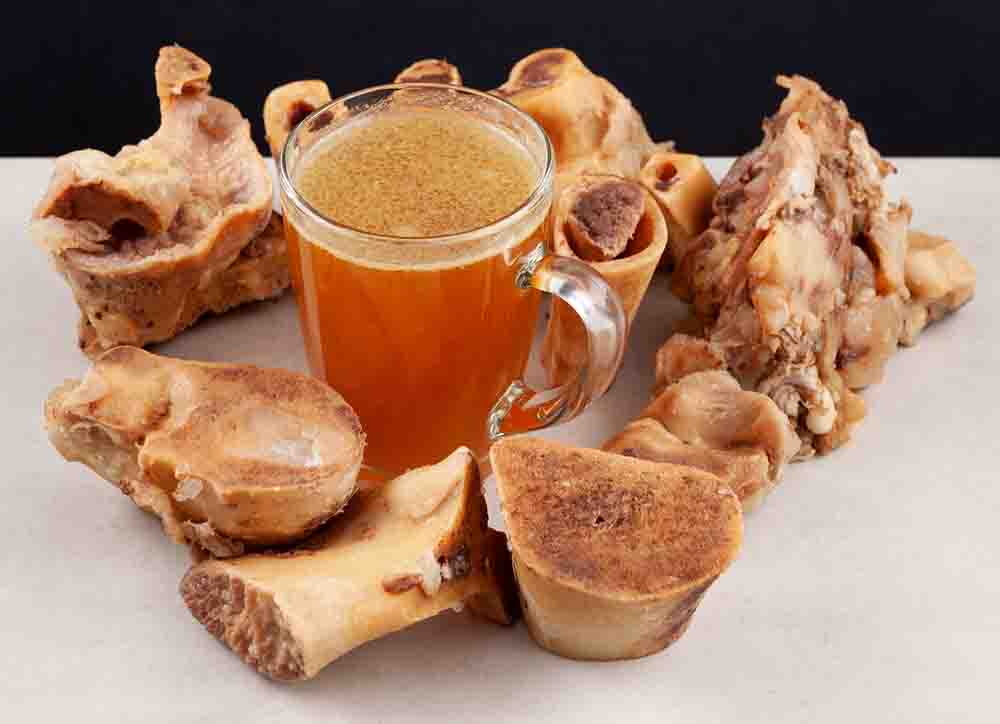
2. Warm your dog’s food in bone broth
If their kibble is mixed with gravy, canned food, or one other suggestion above, try heating the whole meal a little. This makes it smell tastier and releases the flavor more easily.
If your dog is mostly eating dry food, try soaking the kibble in bone broth for 5-10 minutes. Bone broth is tasty, nutrient-dense, and easy to prepare. It’s an all-natural superfood! It is perfect for dogs that have lost appetites or to encourage sick or convalescing dogs to eat more. Read our page on Bone Broth for Senior Dogs.
3. Add a little variety
Your senior dog may be trying to get tastier meals by turning down a certain food for a couple of days! Adding a little variety at least 3-4 times per week might help your dog eat more.
4. Use wet food
Canned/wet food can be a good option for older and senior dogs. For an older dog who’s not eating well, sometimes a change in food can help. If you’ve always fed dry kibble, then now might be the time to start mixing a little canned food in with the dry.
Senior dogs with dental problems often find it easier to eat soft food rather than hard kibble.
Canned dog food contains a lot more water than dry food (obviously!), so it’s also a good way to get more fluids into your older dog.
Soaking the dry kibble in warm water (or broth) and then mixing it with canned food will give you the best of both worlds and is what I tend to do when I’m trying to tempt a dog to eat more.
5. Feed your dog less, but more frequently
A big meal might be too much for your older dog to stomach, but a smaller portion (especially if you use one of the above tips to make it more appealing) might be just what the doctor ordered.
Adult dogs often only eat once a day, but a senior dog usually does better with two (or three) smaller meals.
Every dog is different, and you know your dog best, so if you think feeding him a handful of tasty food six times a day is the best way to get them to eat, then do it.
There’s no ‘one-size-fits-all rule at this point. BUT, don’t overfeed them. If you’re feeding him three, four, five, or even six times each day, divide their daily intake up into that number of portions.
However, this does NOT mean that you should feed your dog more treats or snacks. Iif your old dog is already eating less, treats could potentially make them feel ‘full,’ and they may no longer have enough appetite for the ‘proper’ and nutritious meals. So, as tempting as it may be to give that sad old face more treats, you actually need to give them fewer. Also, make any treats super-healthy ones, that way they’re getting something with nutritional value rather than empty calories.
Freeze-dried liver treats or tiny slivers of meat (or ground beef) are my usual choices here.
To learn more about feeding your old dog, read our practical, tried-and-tested tips and advice that will help here…: Getting Older Dogs To Eat.
Read our veterinarian articles about senior dog nutrition:
 9 Tips from Our Veterinarians to Help Your Old Dog Eat More - Getting older dogs to eat can often be a challenge as there are multiple reasons for our golden oldies to…
 Weight Loss In Old Dogs: Our Veterinarians Share What To Do - Weight loss in older dogs can be slow and subtle, or it can be sudden and noticeable. Either way, if…
 How To Keep Weight on an Older Dog - It can be difficult to keep weight on an older dog for several reasons, including poor appetite, poor digestive function,…
Authors

Disclaimer: This website's content is not a substitute for veterinary care. Always consult with your veterinarian for healthcare decisions. Read More.